

When Conventional Treatments Are Not Enough
Shockwave therapy is a clinically proven, non-invasive treatment for patients whose chronic musculoskeletal pain has not responded to rest, medication, physiotherapy or cortisone injections. It works by delivering high-energy acoustic waves into damaged tissue, triggering the body’s own cellular repair processes - without surgery, needles or downtime.
At Family Chiropractic Singapore, our experienced chiropractors assess each patient before recommending ESWT. Treatment is personalised to your specific condition, combined with chiropractic care where appropriate, and delivered at our clinic in Ang Mo Kio.
If you have been managing persistent pain for months with limited results, extracorporeal shockwave therapy may be the next step.
What Is Shockwave Therapy (ESWT)?
Extracorporeal Shockwave Therapy is a non-invasive procedure that uses acoustic pressure waves to stimulate healing in injured soft tissue and bone. It is recommended when standard conservative treatments have not provided adequate relief - and is widely used as a viable alternative to surgery for chronic tendon, muscle and fascia conditions.
ESWT has been FDA-approved internationally for plantar fasciitis (since 2000) and tennis elbow (since 2002), and has been used in Singapore for musculoskeletal rehabilitation for nearly a decade. Chiropractic shockwave therapy integrates this technology within a full clinical assessment framework - ensuring the treatment targets the root cause of your pain, not just the site of discomfort.
Shockwave Therapy Has Three Main Benefits
Scar Tissue Resolution
ESWT directly breaks down fibrous scar tissue and calcium deposits that restrict movement and sustain chronic pain. By disrupting inelastic post-injury tissue through targeted acoustic waves, shockwave therapy restores normal mobility and function - without surgery or injections into the affected area.
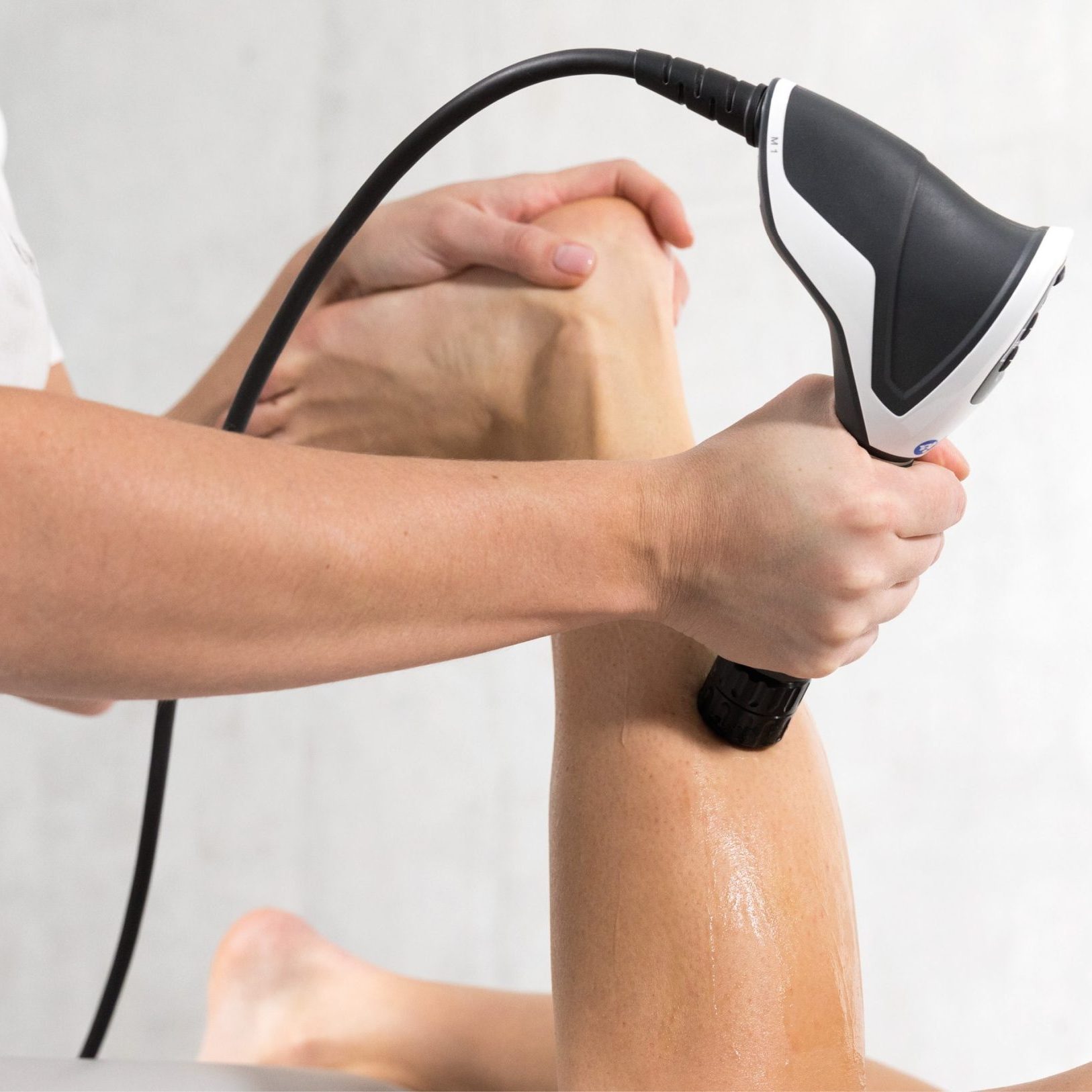
Accelerated Healing for Faster Recovery
Shockwave treatment activates the body’s own repair mechanisms at a cellular level - boosting collagen synthesis, promoting new blood vessel formation and stimulating tendon and bone cell regeneration. This restarts healing in conditions that have been stalled or unresponsive to conventional treatment for months.
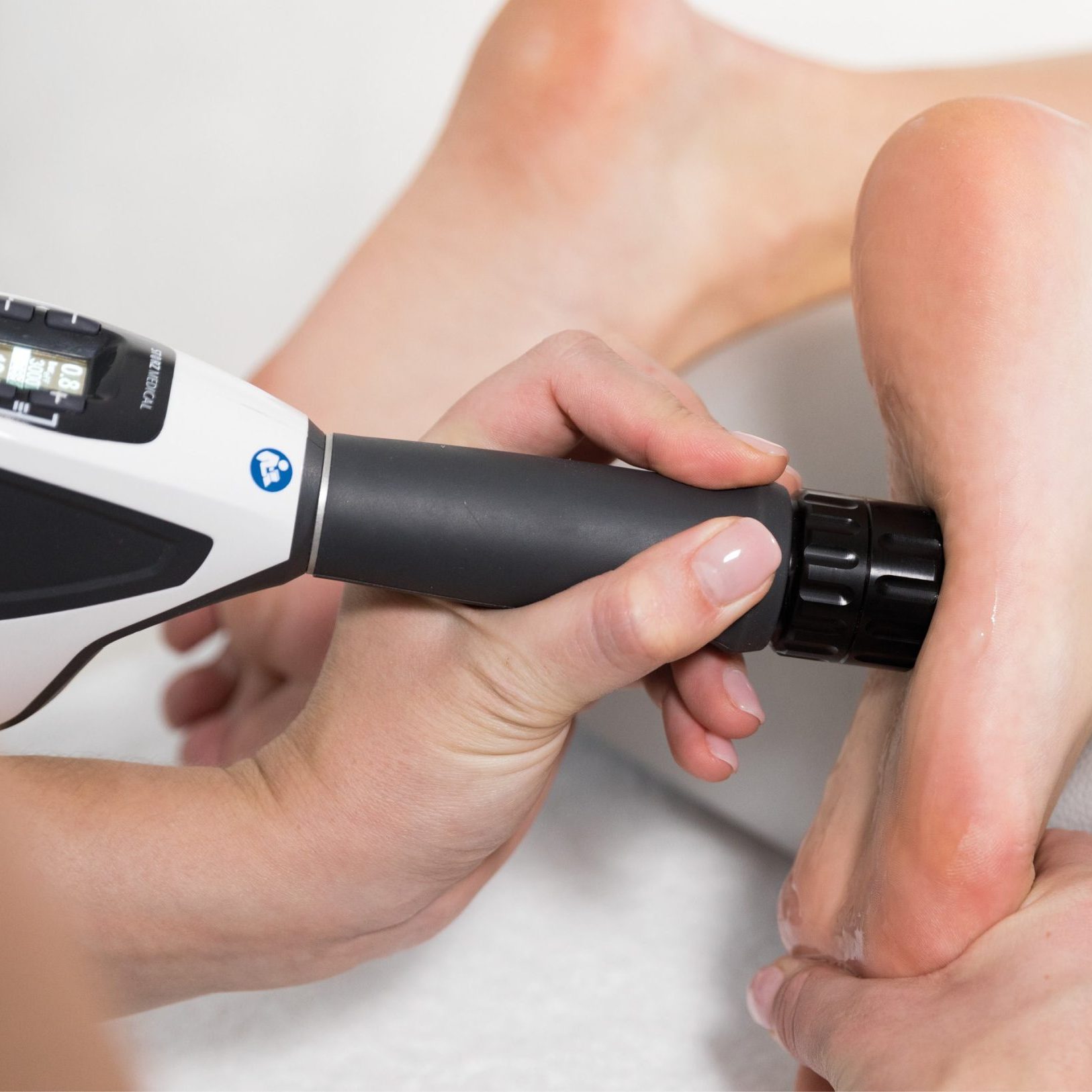
Pain Reduction
ESWT triggers nitric oxide release and modulates pain signalling pathways in the treated tissue, delivering measurable relief from both acute flare-ups and longstanding chronic pain. Many patients report noticeable improvement within the first two sessions of shockwave treatment.
Scar Tissue Resolution
Accelerated healing for faster recovery
Pain Reduction
Other Benefits of Shockwave Therapy
Non-Invasive
No surgery, no needles into tissue, no incisions. Shockwave physiotherapy delivers clinical results through the skin using acoustic waves - making it a safe and comfortable option for patients who want to avoid more invasive procedures.
No Anaesthetic Needed
Each session requires no local or general anaesthesia. Conductive ultrasound gel is applied to the skin before treatment to help the acoustic waves penetrate effectively. Intensity is adjustable throughout the session to keep discomfort manageable.
No Downtime
Most patients return to normal daily activities immediately after treatment. Strenuous or pain-provoking activity should be avoided for 48 hours following each session, but there is no post-procedure recovery period or time off work required.
High Patient Satisfaction
Clinical studies report success rates exceeding 70% for appropriate ESWT indications. For persistent conditions where previous treatments have failed, shockwave therapy consistently delivers measurable, lasting improvement - and high rates of patient satisfaction across musculoskeletal conditions.
Non-invasive
No anesthetic needed

No downtime
High patient satisfaction
How Does Shockwave Therapy Work?
Shockwave therapy works by delivering calibrated acoustic waves into the affected tissue, activating several biological repair mechanisms simultaneously. The result is accelerated healing, reduced pain and improved mobility - particularly for conditions that have become chronic due to incomplete or stalled tissue repair.
The key mechanisms include:
Cellular energy stimulation - Shockwaves trigger the release of adenosine triphosphate (ATP), activating the cell signalling pathways that drive tissue recovery.
Nitric oxide release - ESWT induces nitric oxide production in the treated area, reducing pain, controlling local inflammation and stimulating new blood vessel formation.
Collagen synthesis - Shockwaves enhance collagen production, improving the density and tensile strength of healing tendons, ligaments and fascia.
Scar tissue breakdown - Fibrous scar tissue and calcium deposits are mechanically disrupted, restoring tissue mobility without surgical intervention.
Tendon and bone cell regeneration - The treatment promotes tenocyte proliferation and activates osteoprogenitor stem cells responsible for bone and cartilage repair.
Radial vs. Focused Shockwave Therapy
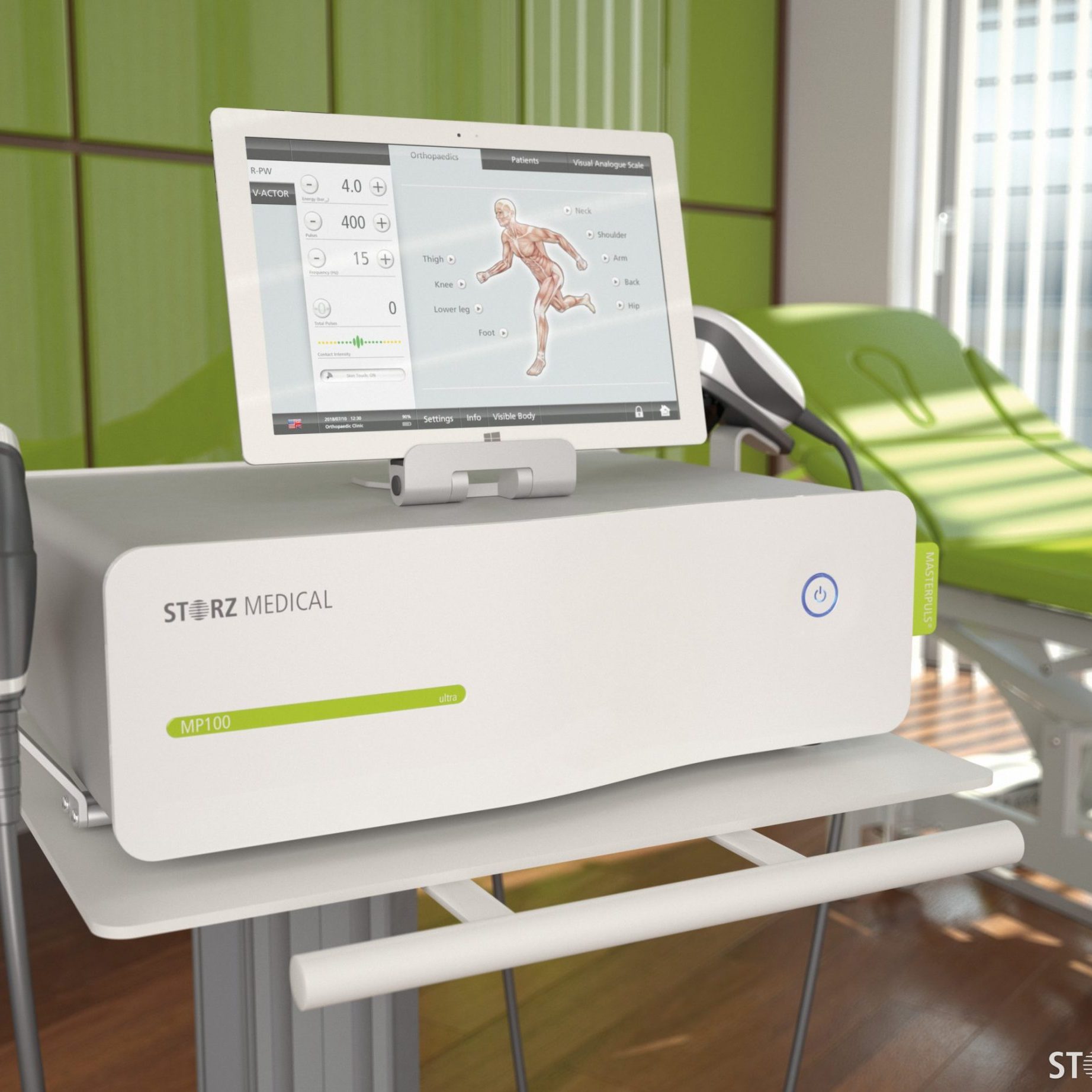
There are two primary types of ESWT, each suited to different conditions and tissue depths. Your shockwave therapy specialist will determine the appropriate modality - or combination of both - based on your diagnosis.
Radial Shockwave Therapy generates pressure waves that spread outward from the skin surface. It is most effective for surface-level and mid-depth conditions such as plantar fasciitis, tennis elbow, Achilles tendinopathy and myofascial trigger points.
Focused Shockwave Therapy concentrates acoustic waves at a precise depth, reaching structures near bone and calcified tissue without affecting surrounding healthy tissue. It is the preferred modality for calcific shoulder tendinopathy, deep rotator cuff pathology and bone stress injuries.
What Conditions Does Shockwave Therapy Treat?
ESWT is clinically indicated for chronic musculoskeletal conditions involving tendons, ligaments, fascia and bone - particularly those that have not responded adequately to rest, medication or physiotherapy. It is also used as a non-surgical alternative for patients seeking to avoid or delay operative intervention.
Conditions treated include:
Foot and heel: Plantar fasciitis, plantar fasciosis, heel spurs (calcaneal spurs), Achilles tendinopathy
Knee: Patellar tendinopathy (Jumper’s Knee), iliotibial band syndrome (ITBS)
Elbow: Lateral epicondylitis (Tennis Elbow), medial epicondylitis (Golfer’s Elbow)
Shoulder: Calcific tendinopathy of the rotator cuff, rotator cuff tendinopathy, frozen shoulder (adhesive capsulitis)
Hip: Greater trochanteric pain syndrome (trochanteric bursitis), hamstring tendinopathy
Spine and lower back: Lower back pain related to soft tissue dysfunction, sacroiliac syndrome
Lower leg: Shin splints (Medial Tibial Stress Syndrome), Tibialis Posterior Syndrome
Muscle and fascia: Chronic myofascial pain and trigger points, recurring muscle strains and tears, delayed onset muscle soreness (DOMS)
Other: Carpal Tunnel Syndrome, trigger finger, neck pain, muscle tension and spasms
How Many Treatments Will I Need?
Most patients require 4 to 6 sessions of ESWT, delivered at weekly intervals, with each session lasting 15 to 30 minutes. This applies to the majority of chronic tendon and soft tissue conditions - though the exact number depends on the severity and duration of your injury, and your individual healing response.
Some patients notice improvement after the first one to two sessions. For longstanding or complex conditions, meaningful change may build gradually over the full course and in the weeks that follow. Anti-inflammatory medications and ice should be avoided during treatment, as the controlled inflammatory response ESWT triggers is a necessary part of the healing process.
Your chiropractor will review your progress after each session and adjust the protocol where needed. In some cases, ESWT is combined with complementary chiropractic treatment, soft tissue therapy or rehabilitative exercises to optimise outcomes.
What to Expect: Your Shockwave Therapy Treatment Journey
Step 1 - Comprehensive chiropractic assessment: Before any shockwave treatment begins, you undergo a full clinical evaluation by one of our chiropractors - detailed history, physical and orthopaedic testing, and review of any existing imaging. Accurate diagnosis is essential to confirm ESWT suitability and exclude contraindications.
Step 2 - Personalised treatment plan: Your chiropractor determines the correct modality (radial or focused), energy parameters, frequency and number of sessions based on your specific condition. Where appropriate, ESWT is integrated with other chiropractic treatments for a comprehensive approach.
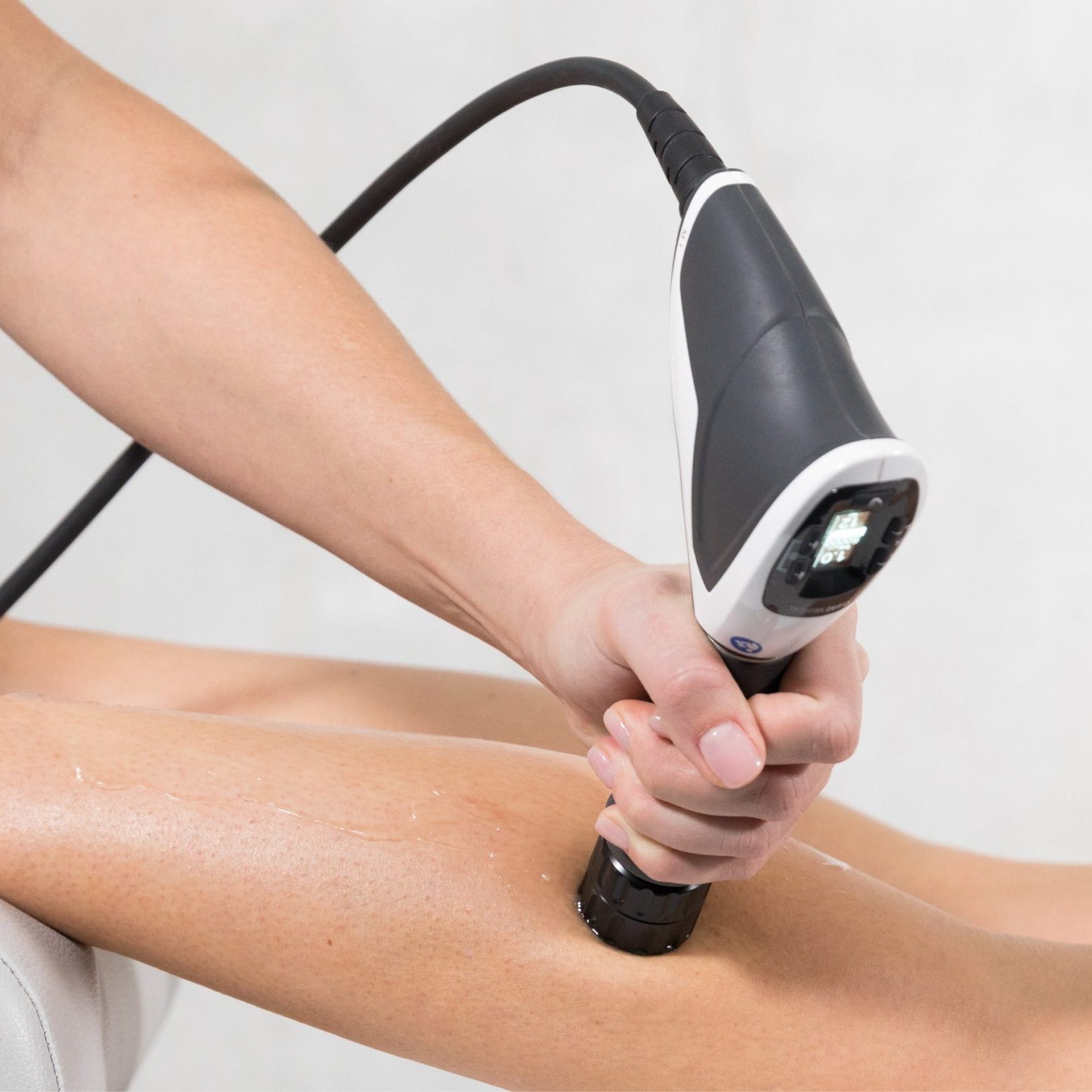
Step 3 - The treatment session: Conductive ultrasound gel is applied to the skin over the target area. The handheld applicator delivers calibrated acoustic pulses over 15 to 30 minutes. You may feel a rhythmic tapping or vibrating sensation; some temporary discomfort at the treatment site is normal and expected.
Step 4 - Recovery and follow-up: Most patients return to normal daily activities the same day. Avoid strenuous activity for 48 hours after each session. Anti-inflammatories and ice should be avoided during the course. Your chiropractor monitors progress throughout and adjusts the protocol accordingly.
Is Shockwave Therapy Suitable for You?
Shockwave therapy in Singapore is safe and well-tolerated by the majority of patients. However, ESWT is not appropriate for everyone - which is precisely why a clinical assessment before treatment is mandatory, not optional.
ESWT is generally contraindicated for:
- Pregnant women
- Patients with blood clotting disorders or on anticoagulant therapy
- Active infection or open wounds at the treatment site
- Presence of tumours in or near the treatment area
- Implanted cardiac pacemakers or electronic devices near the site
- Children and adolescents with open growth plates at the treatment site
Our chiropractors will review your full medical history at your initial consultation to confirm whether ESWT is safe and appropriate for your situation.
Possible Side Effects
Side effects from shockwave therapy are generally mild and short-lived. They may include localised redness or mild swelling at the treatment site, a temporary increase in pain for 24 to 48 hours following treatment (a normal part of the inflammatory healing response), and occasional mild bruising. These effects typically resolve within a few days.
If you experience significant or prolonged discomfort after a session, contact our clinic directly.
Meet the Chiropractors Who Perform Shockwave Therapy
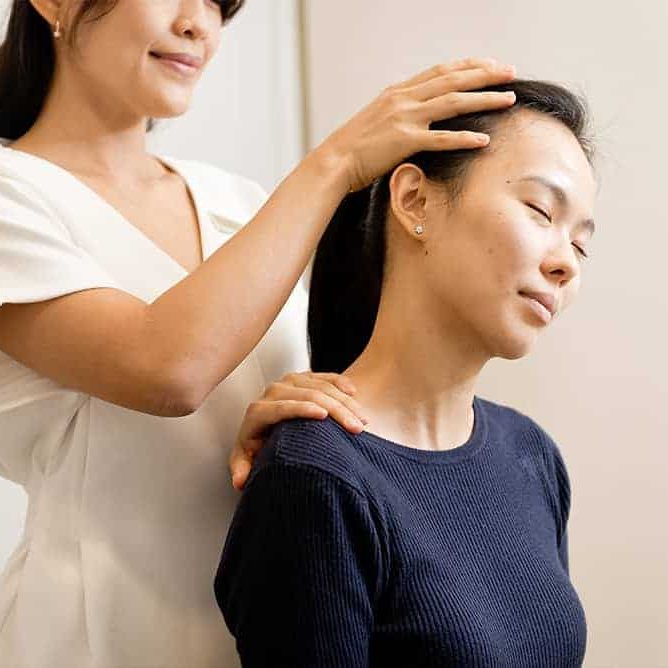
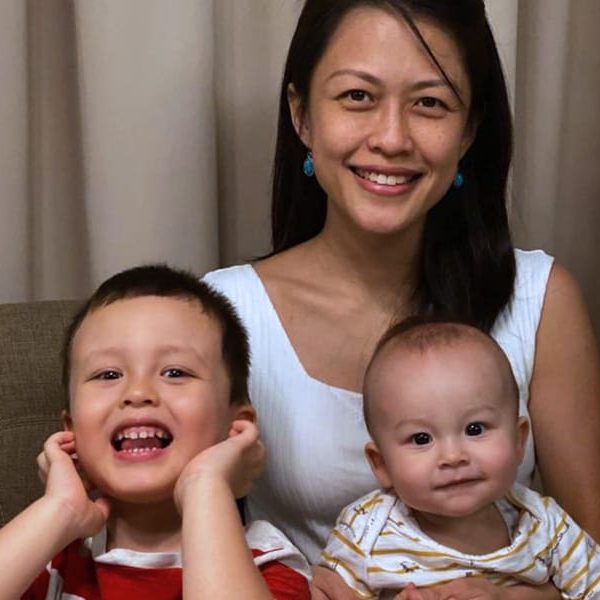
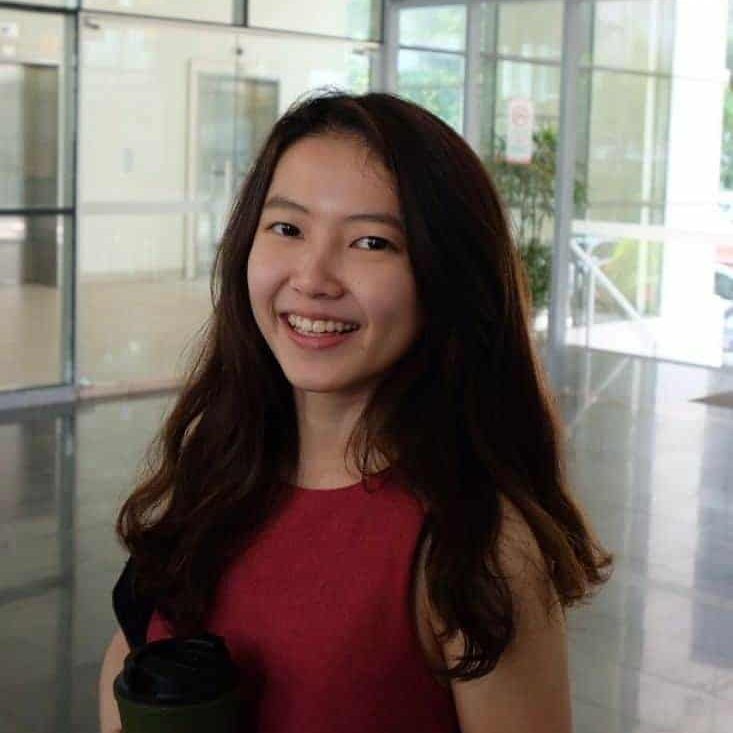
Shockwave therapy at Family Chiropractic Singapore is performed by qualified, internationally trained chiropractors - not technicians. Every patient is seen by one of our doctors for a full clinical assessment before treatment begins. Our team brings over 30 years of combined hands-on chiropractic experience across a wide range of musculoskeletal conditions.

FAQ - Shockwave Therapy in Singapore
Most patients experience manageable discomfort during treatment, which varies depending on individual pain tolerance and the condition being treated. Intensity is adjusted throughout each session to keep it within tolerable limits. Sessions are brief, and the majority of patients tolerate ESWT well from the first appointment.
For conditions treated with a full course of ESWT, outcomes are generally durable. Clinical studies show that most patients with plantar fasciitis, tennis elbow and calcific shoulder tendinopathy maintain significant improvement at 12-month follow-up. Combining shockwave treatment with rehabilitative exercises and addressing underlying biomechanical causes improves long-term results.
Radial shockwave therapy spreads pressure waves outward from the skin surface and is most effective for surface-level and mid-depth conditions. Focused shockwave therapy concentrates waves at a specific tissue depth, reaching structures near bone and calcified areas without affecting surrounding tissue. Your chiropractor will determine which modality is appropriate based on your diagnosis.
Anti-inflammatory medications (NSAIDs such as ibuprofen) and ice application should be avoided during and immediately after your shockwave course. These suppress the inflammatory healing response that ESWT deliberately activates. Paracetamol can be used for pain relief if needed.
Avoid strenuous or aggravating activities for 48 hours after each session. For conditions such as plantar fasciitis, high-impact activities should be limited until two weeks after completing the full treatment course - or as directed by your chiropractor.
ESWT is not recommended for pregnant women, patients with blood clotting disorders or on anticoagulant medication, those with active infections or open wounds at the treatment site, patients with tumours in the area, individuals with implanted pacemakers or electronic devices near the site, and children with open growth plates. A clinical assessment will confirm whether shockwave therapy is appropriate for your situation.
For many musculoskeletal conditions - particularly chronic tendinopathies and calcific deposits - extracorporeal shockwave therapy delivers clinically comparable outcomes to surgical intervention, without the associated risks, anaesthesia, recovery time or cost. ESWT is typically recommended as a definitive non-surgical option before surgery is considered.
Shockwave therapy costs vary depending on the condition being treated, the number of sessions required and the treatment protocol your chiropractor recommends. Contact our clinic for a clear overview of expected costs before committing to treatment.
Why Choose Family Chiropractic for Shockwave Therapy in Singapore?
Effective shockwave therapy starts with accurate diagnosis. At Family Chiropractic Singapore, every patient undergoes a full chiropractic assessment before ESWT is recommended - ensuring the treatment is appropriate, targeted and integrated within a plan that addresses the underlying cause of your condition.
Our chiropractors are internationally trained and bring over 30 years of combined clinical experience to every consultation. Whether you are dealing with a long-standing sports injury, a tendinopathy that has failed to heal, or chronic pain that has not responded to conventional treatment, we will give you an honest assessment of whether shockwave therapy can help - and what realistic outcomes look like for your specific situation.
Contact us to book a consultation at our Ang Mo Kio clinic or ask our team any questions before your first appointment.
Our Patients' Testimonials


Every time I come for a session, I feeling incredibly relaxed, and the tension and pressure in my body are significantly relieved.
Highly recommend to anyone looking for a caring and professional chiro. ?


Kudos to Dr Choo and staffs for your care to my family.





Thank you Dr Mark and Dr Choo for your amazing care and treatment. Give them a go.


Not to mention, the three lovely ladies at the centre—Jan, Mei, and Maureen—are always so warm and welcoming. They are incredibly helpful with appointments and post-treatment care, making every visit smooth and pleasant.
I’m truly grateful for the entire team and would highly recommend Dr. Eunice and the clinic to anyone looking for excellent chiropractic care.

Since starting treatment with her, my back and shoulder pain have improved significantly. She explains everything clearly and makes sure I feel comfortable and confident throughout the process. I always leave each appointment feeling better and well taken care of.
I’m truly grateful for her help and would highly recommend her to anyone looking for a skilled and caring chiropractor.



I went on Google found Family Chiropractic and saw that their reviews were ravingly positive. So I made an appointment and headed over with my latest x-ray.
What couldn’t be resolved previously in 2 months was more than 50% resolved in 2 weeks with Family Chiropractic, specifically Dr Mark. He is very skilled in identifying problem areas and targeting the adjustments. All with care and a great personality. He also gives rehabilitation and maintenance advice for holistic well being as well.
I’ve been coming here for a few years now and am always very satisfied with the entire experience, from the lovely ladies at the front desk, to the treatment, care and advice from the doctors.
When Dr Mark is unavailable, I’ve found the other doctors are just as good. So you can rest assured you’ll be well looked after here regardless who you see.
Head over with confidence and adjust away your worries and discomfort!
